BRIDGING THE JUSTICE GAP YASF's ‘NYAYA SAKHA’ IS DEMOCRATIZING LEGAL AID IN PUNJAB
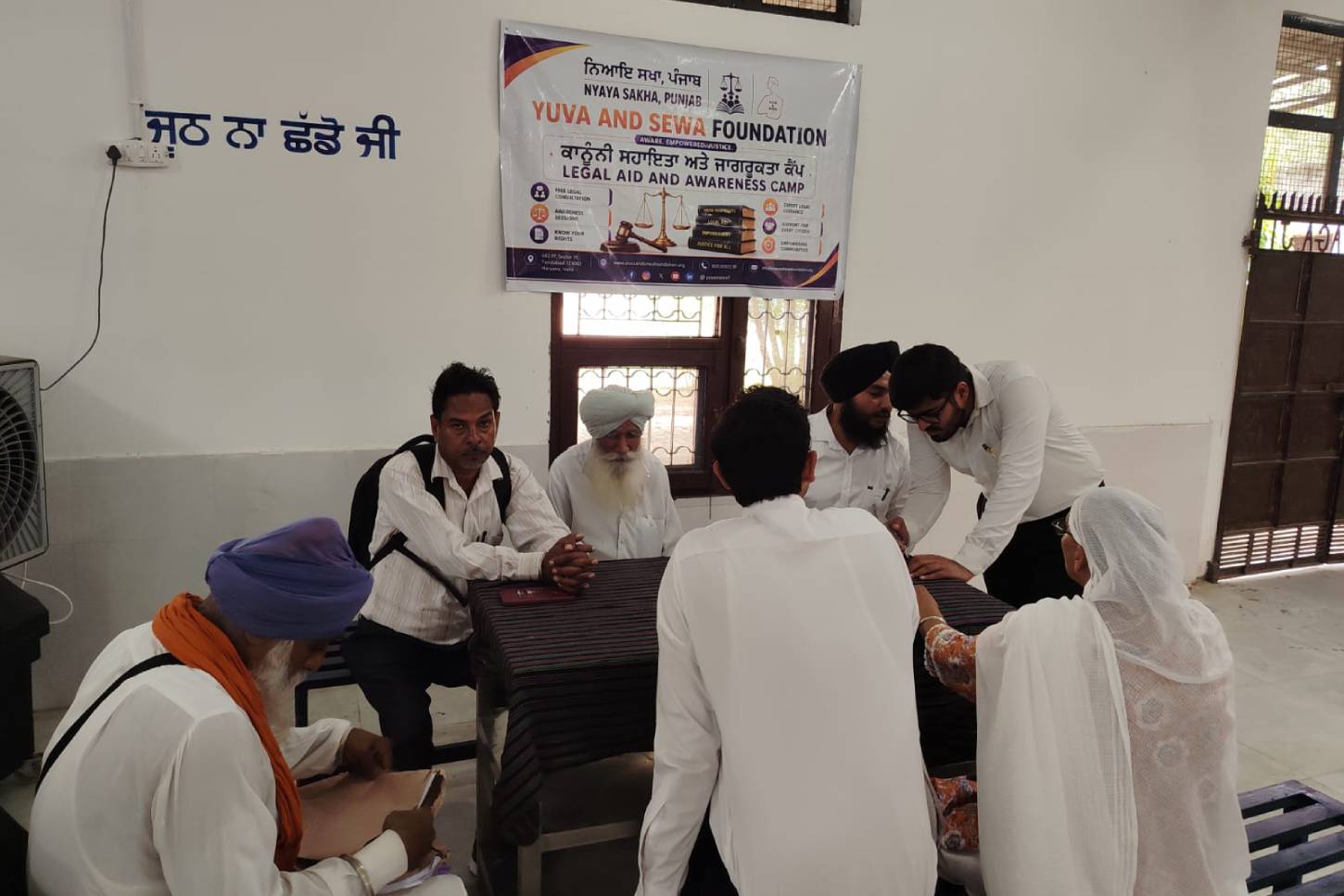
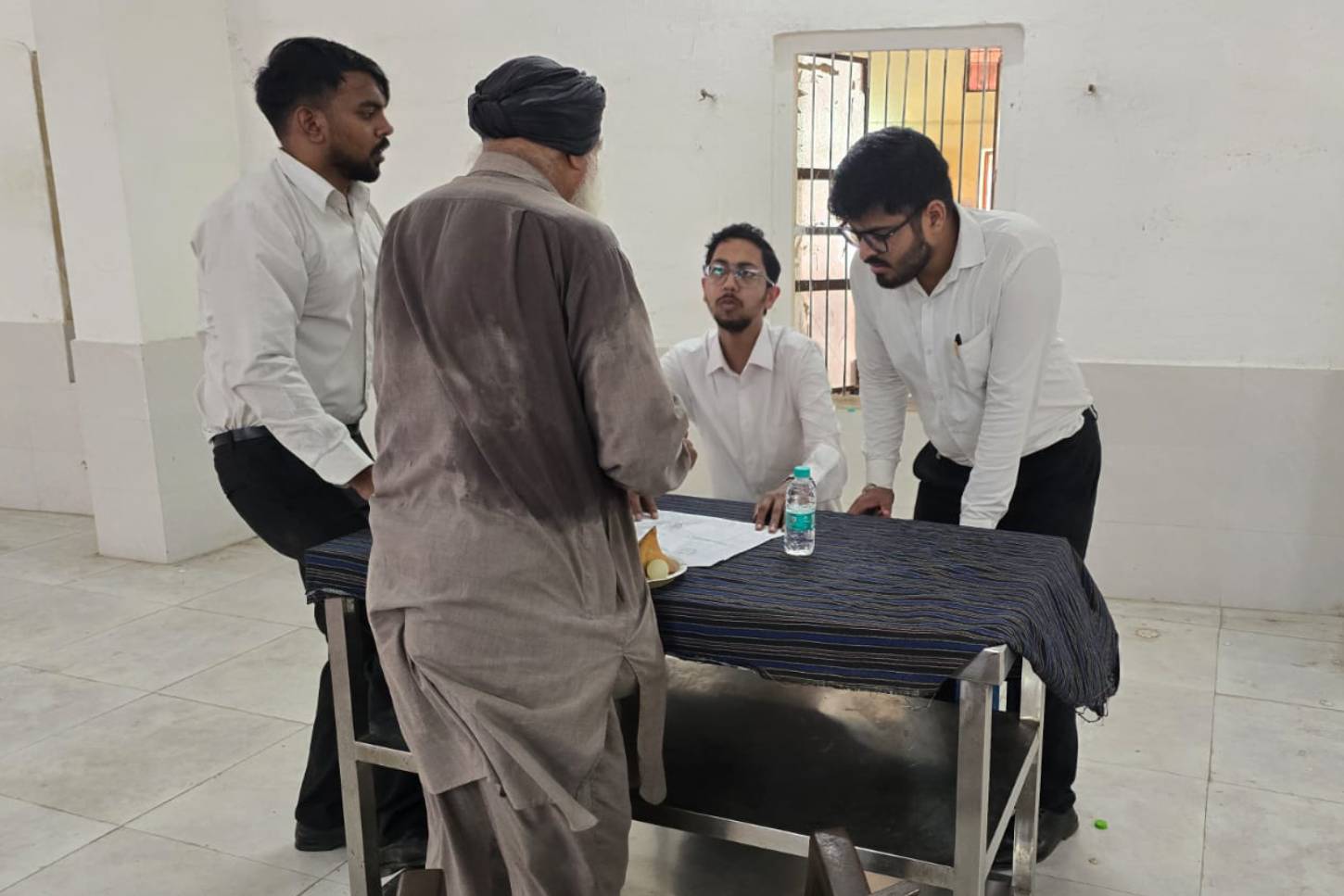
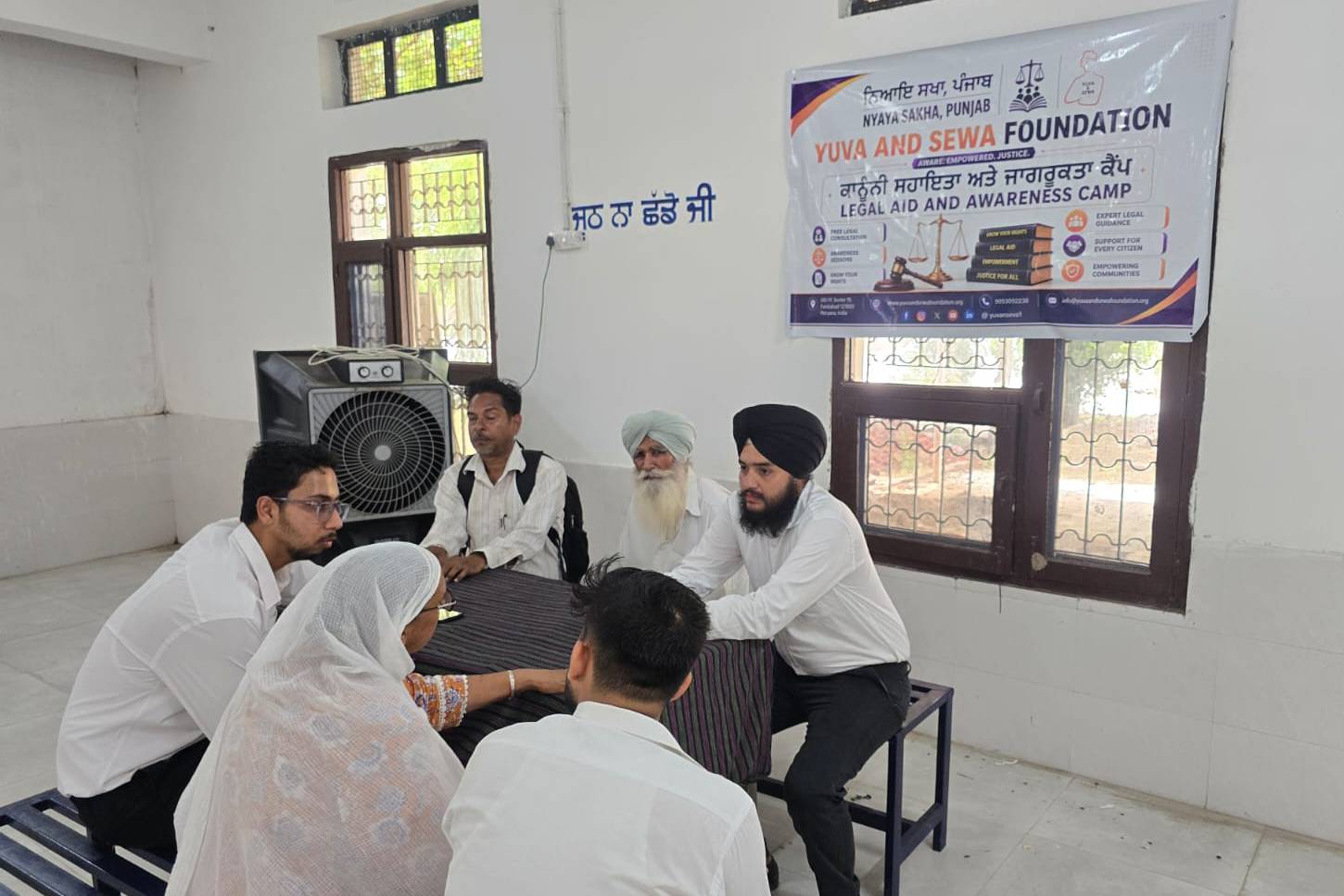
While India’s judiciary is highly advanced, the access point to that judiciary remains severely congested. Rural populations routinely suffer due to a lack of awareness regarding government welfare schemes, basic civil rights, and legal remedies. Minor disputes often escalate into life-altering, expensive legal battles simply because of a lack of early intervention and mediation.
Such initiatives demonstrate how civil society can step in to fill these institutional voids. Headquartered in Faridabad, Haryana, the foundation’s expansion of its "Nyaya Sakha" wing deep into Punjab signals a growing regional commitment to decentralized justice.
By taking legal aid out of court chambers and placing it directly into the local community, the foundation actively demystifies the legal system. It proves that justice is not a luxury to be purchased, but a fundamental right to be accessed by all.
As the dust settles on the Gharuan camp, the ripple effects of the legal literacy imparted will likely be felt in the community for years to come, paving the way for a more self-reliant, legally conscious, and empowered Punjab.

YSF Nyaya Sakha Conducts Legal Discourse on Cyber Safety and Digital Awareness
YSF Nyaya Sakha Conducts Legal Discourse on Cyber Safety and Digital AwarenessYuva and Sewa Foundati...
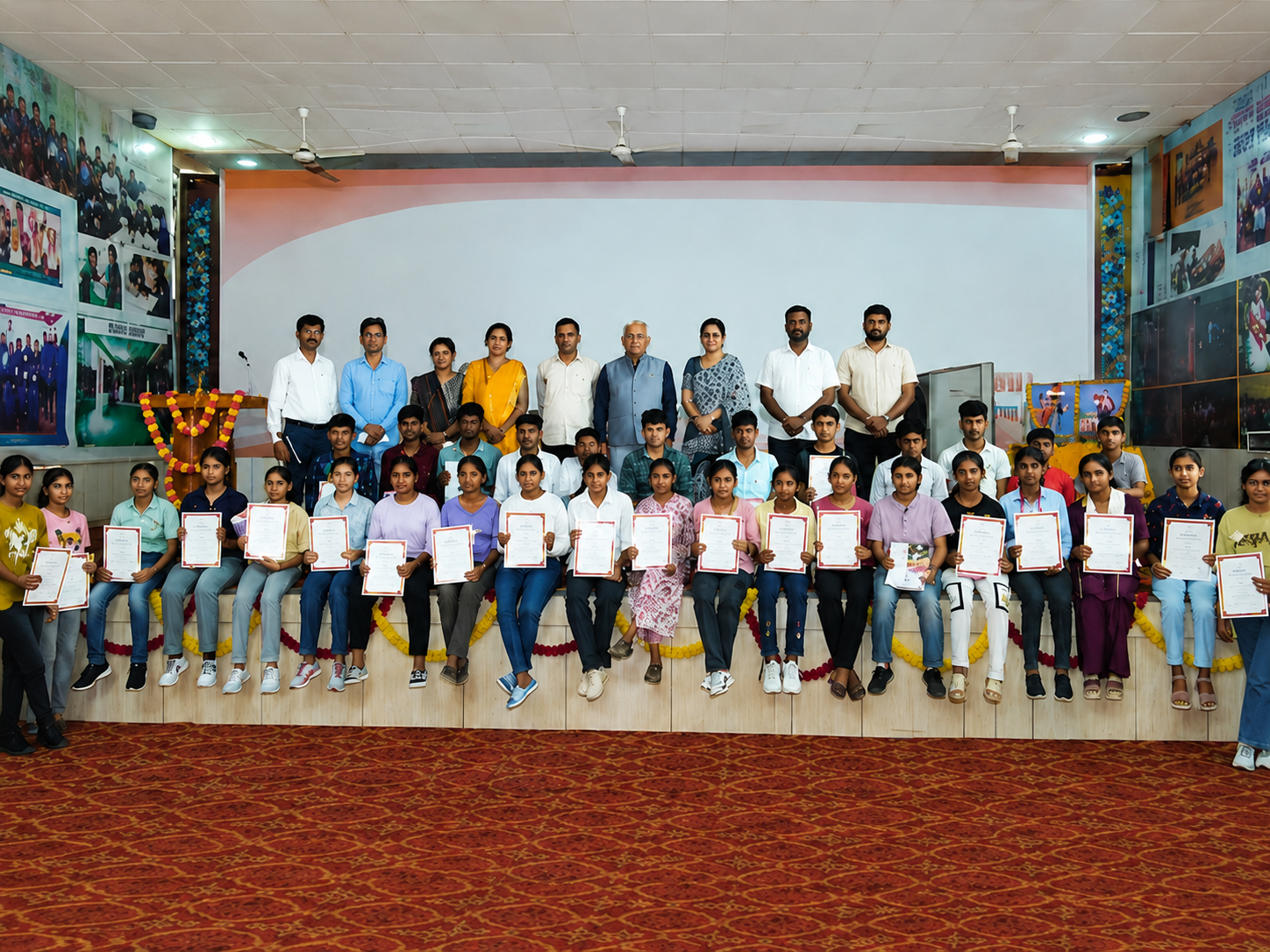
Yuva and Sewa Foundation Expands Youth-Led Social Initiatives Across Communities
YSF Launches “Samutkarsh 0.9” to Support and Empower Meritorious StudentsYuva and Sewa Foundation is...
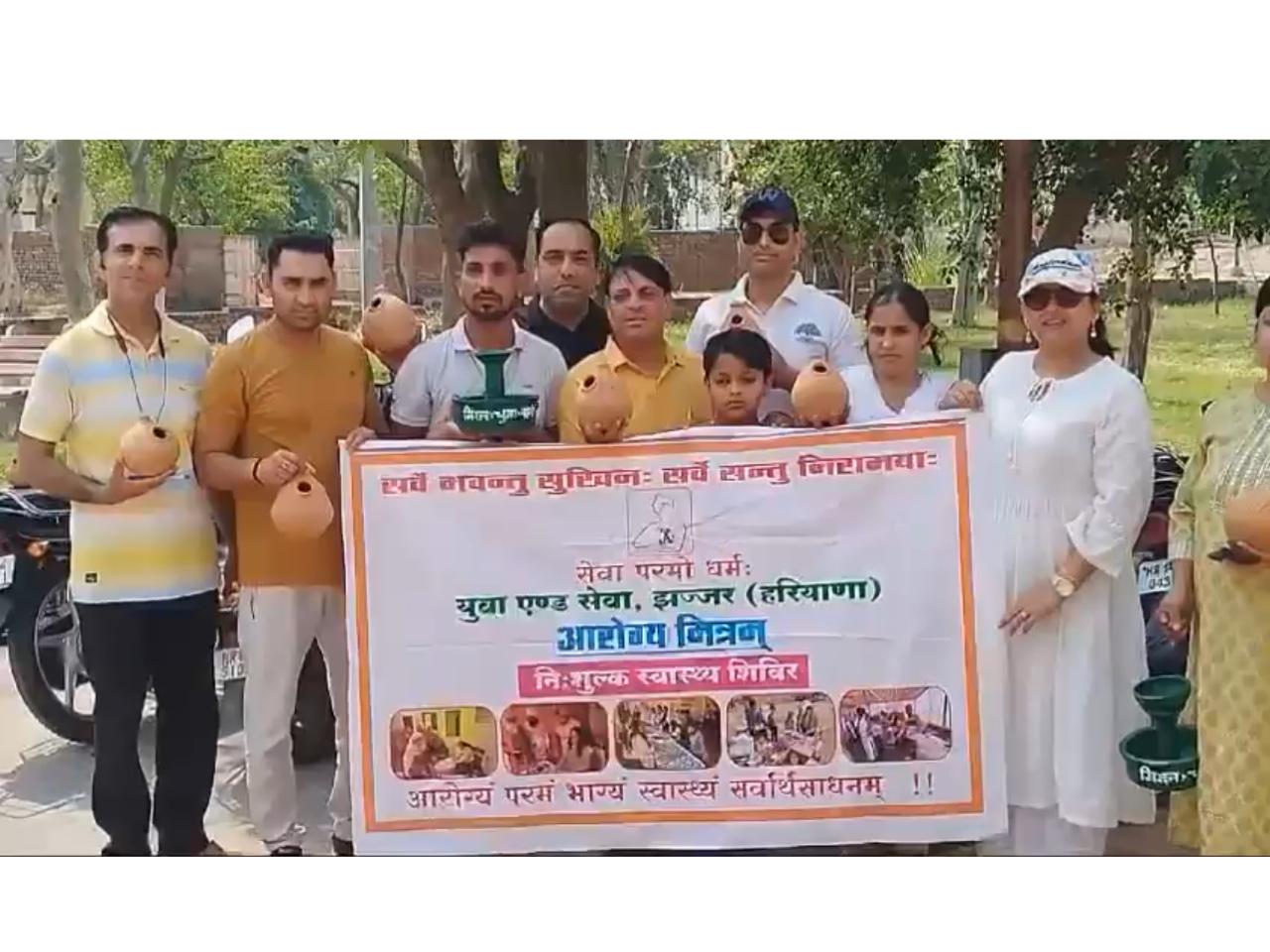
YSF Arogya Mitram Campaign Promoting Drug-Free and Healthy Communities
YSF Arogya Mitram Campaign Promoting Drug-Free and Healthy CommunitiesYuva and Sewa Foundation, thro...

Yuva and Sewa Foundation Expands Youth-Led Social Initiatives Across Communities
sdffdsfds...
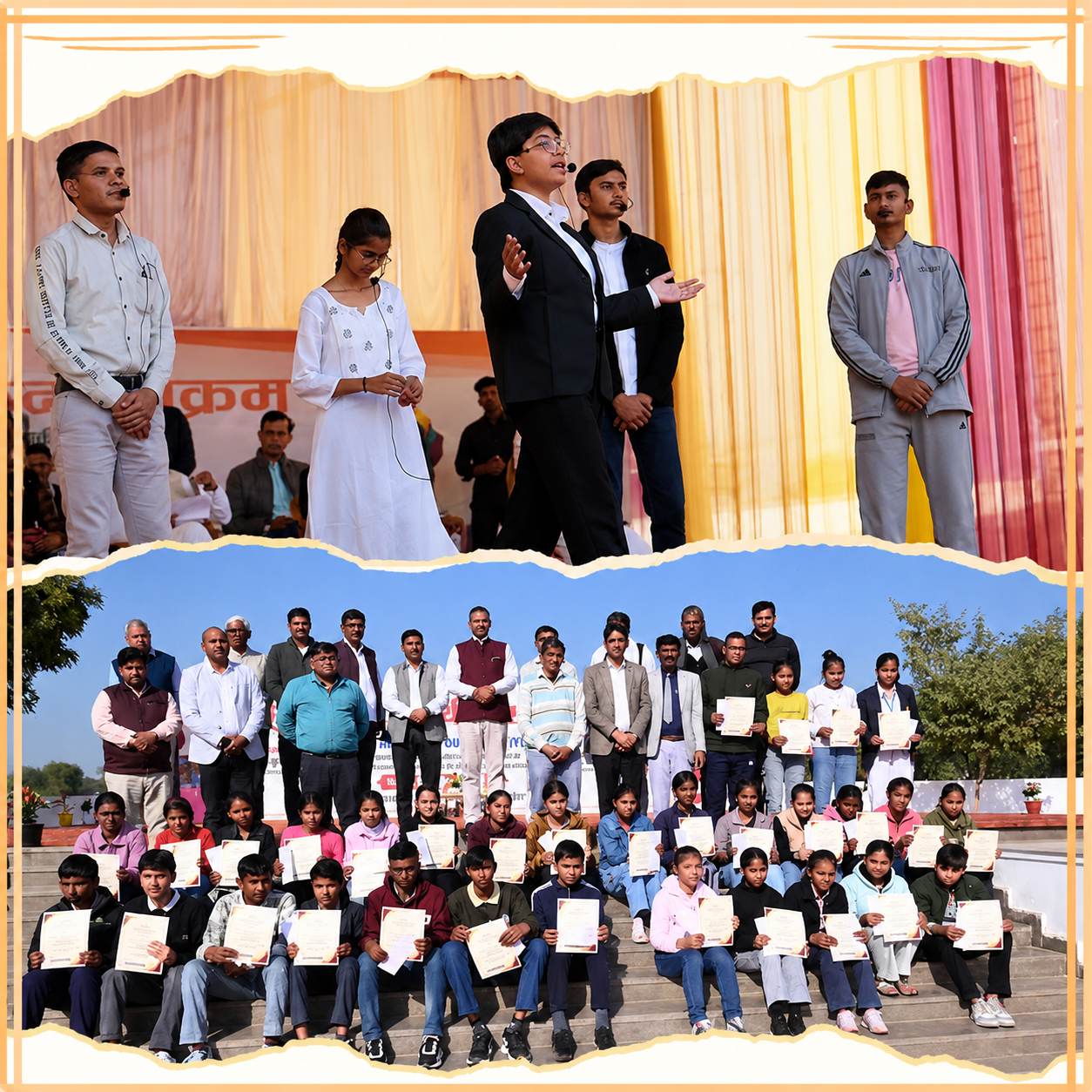
YSF to Organise “Samutkarsh 0.8” to Encourage Young Talent and Academic Excellence
YSF to Organise “Samutkarsh 0.8” to Encourage Young Talent and Academic Excellence Yuva and Sewa Fo...
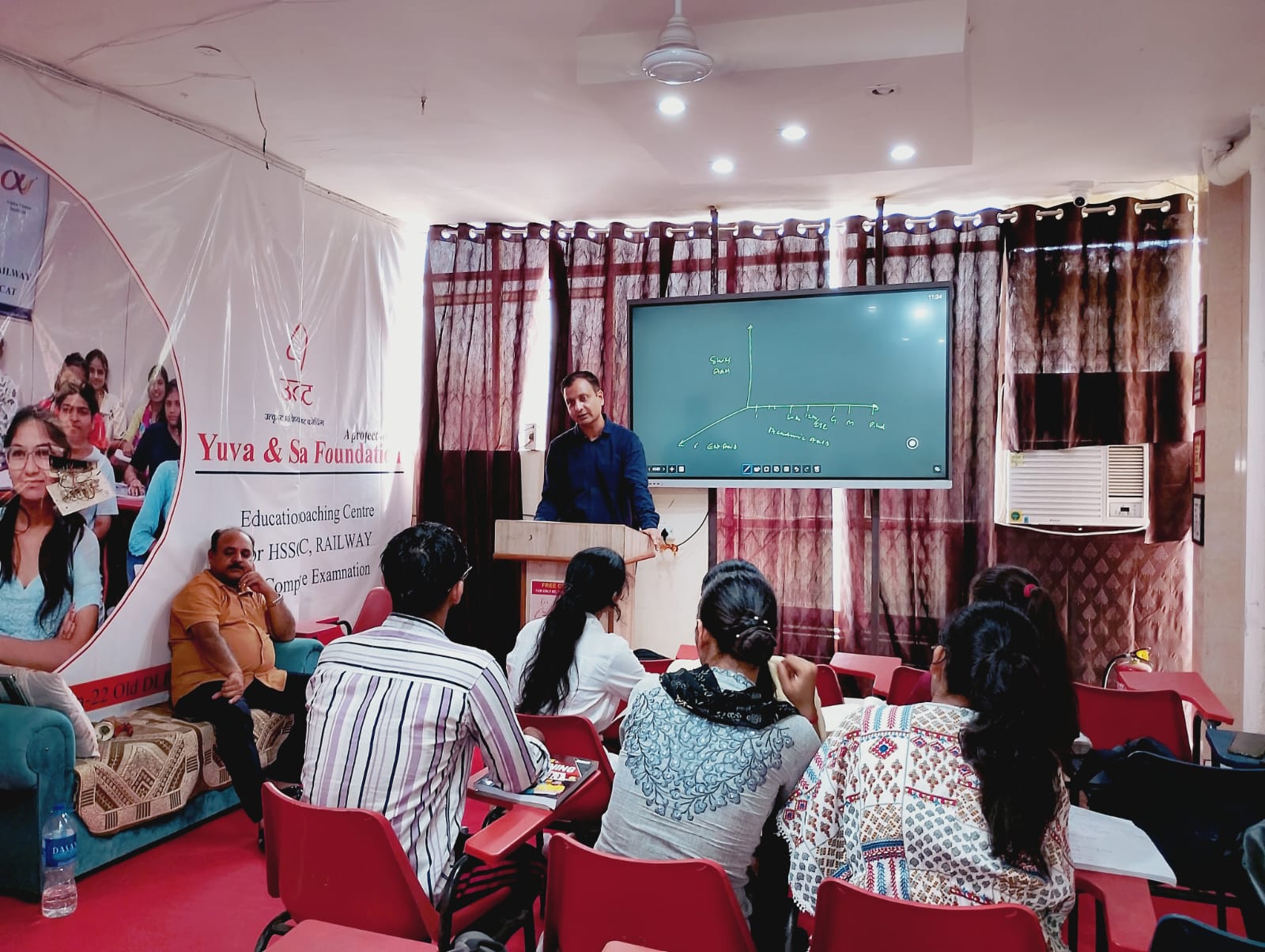
Utkrisht Coaching Centre Empowering Students Through Quality Competitive Exam Preparation
Yuva and Sewa Foundation, through its Utkrisht Coaching Centre initiative, is working to support s...
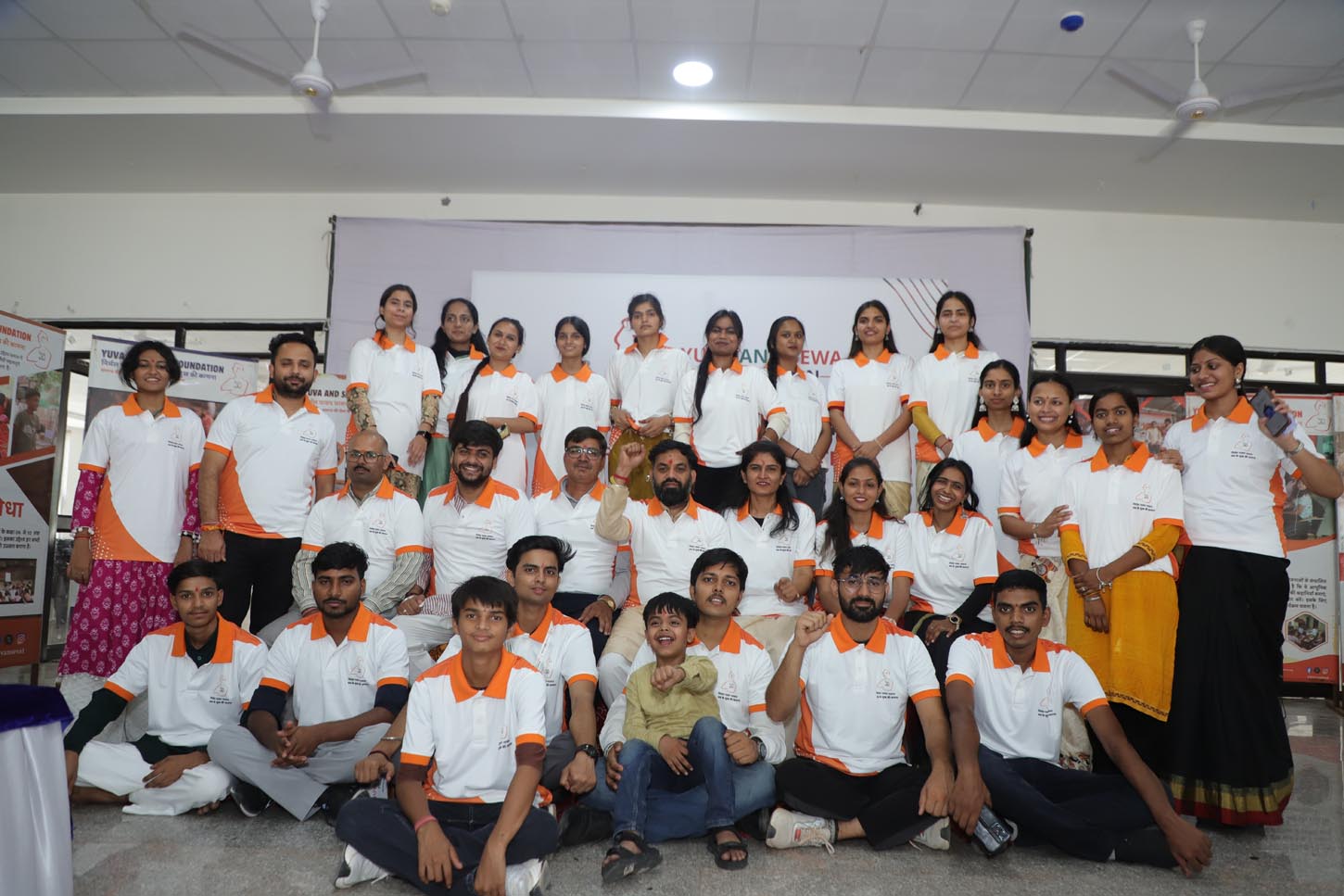
Building Responsible Youth: Utkrishth Coaching Centre Celebrates Second Annual Festival in Gurugram
Yuva and Sewa Foundation (YASF) successfully organised the Second Annual Festival of Utkrishth Coach...
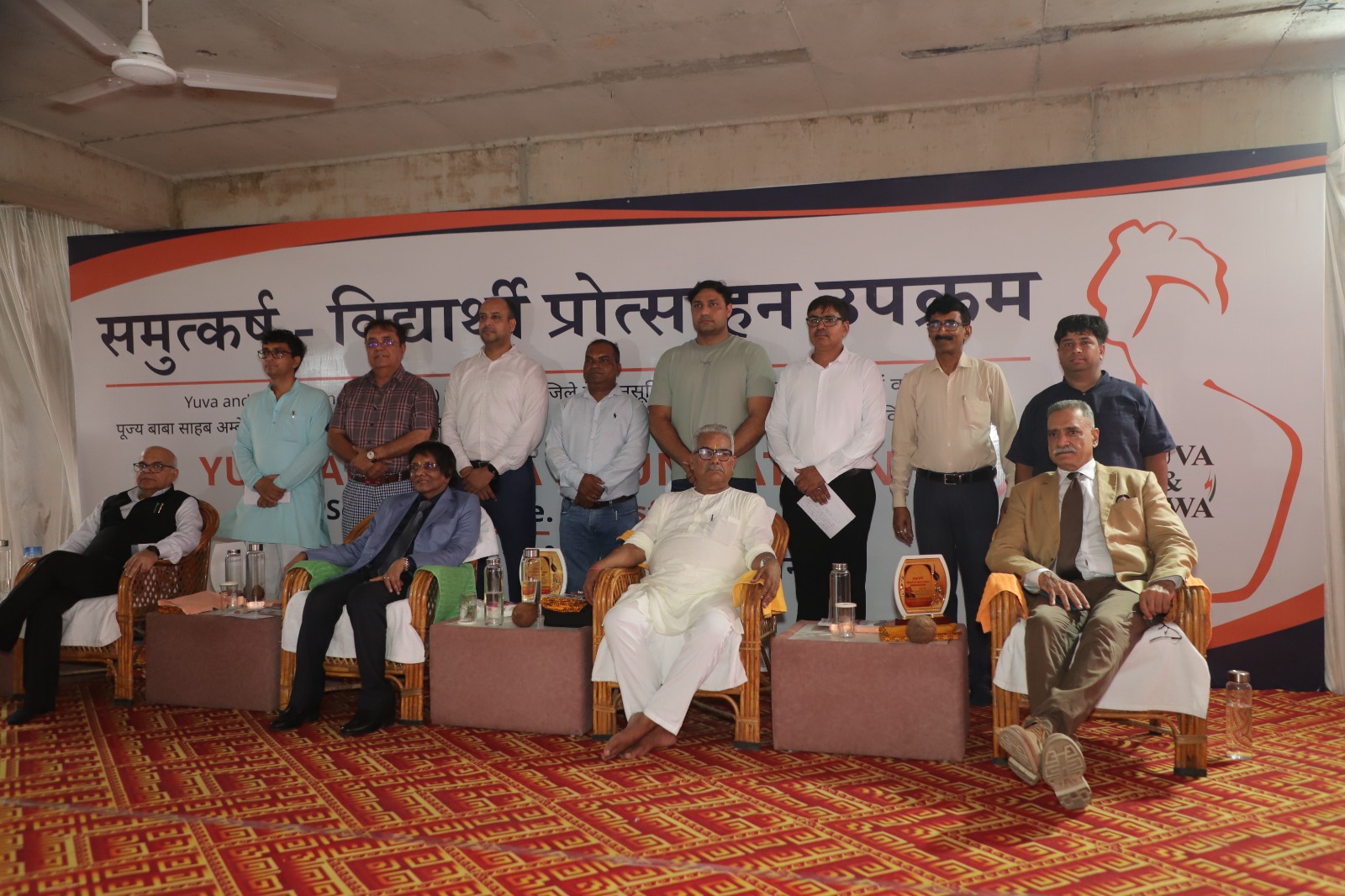
Yuva and Sewa Foundation Concludes First Batch of Samutkarsh Student Encouragement Programme in Mahendragarh
Yuva and Sewa Foundation Concludes First Batch of "Samutkarsh" Student Encouragement Programme in Ma...
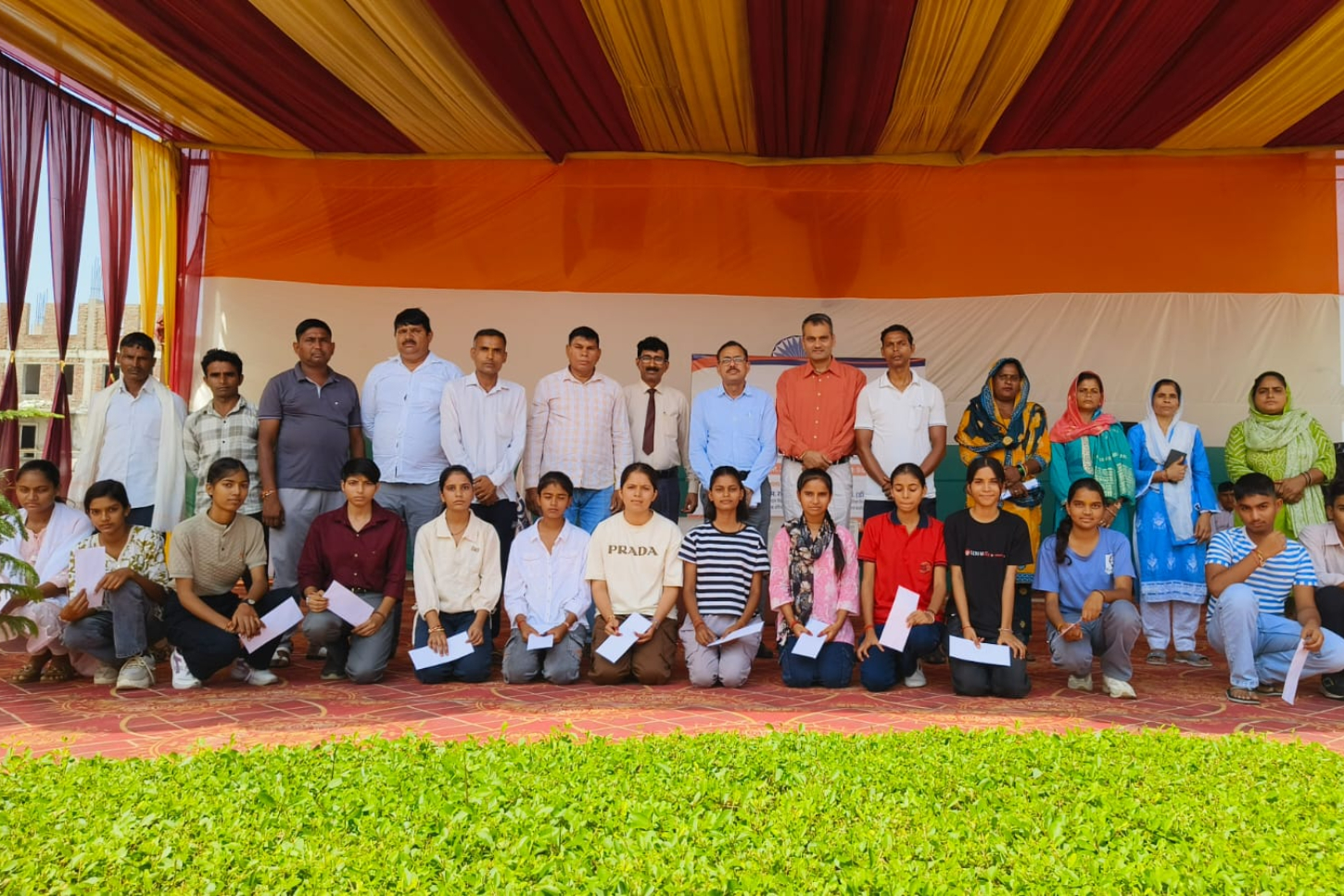
Samutkarsh 1.1: Empowering Students Through Education and Career Counseling
The landscape of rural education in India is undergoing a transformative shift, driven by grass-root...
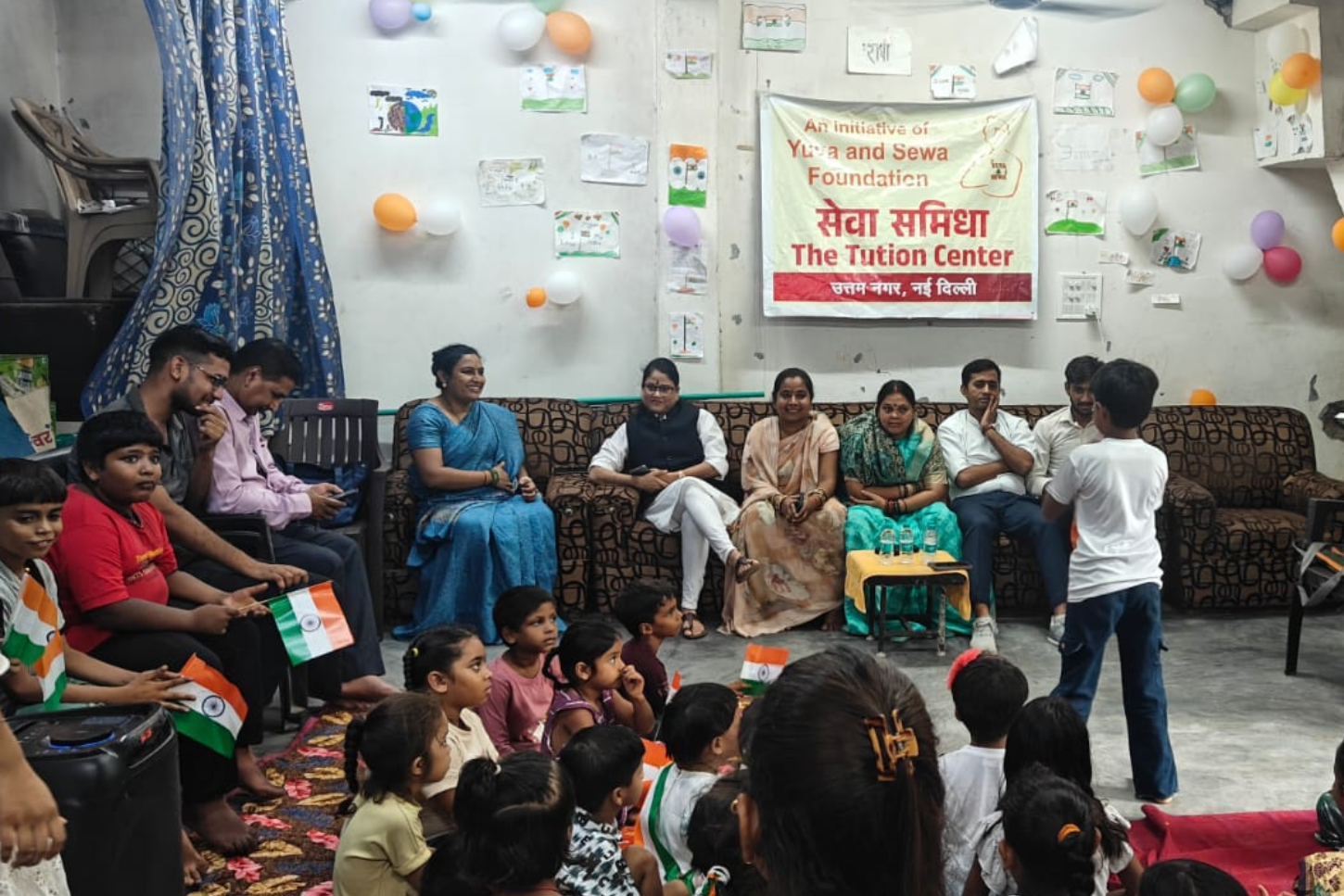
80th Independence Day Celebrations at Sewa Samidha Tuition Center, Uttam Nagar
The spirit of freedom, unity, and educational empowerment filled the air as the Yuva and Sewa Founda...